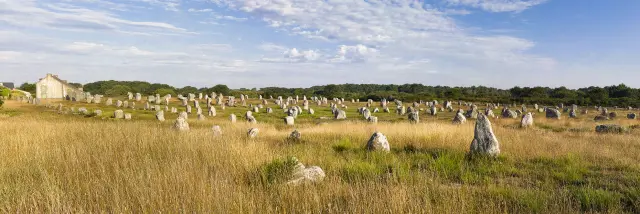




Alignements du Ménec _ CarnacAlignements du Ménec _ Carnac
©Alignements du Ménec _ Carnac|Fanch Galivel

France’s Stonehenge Joins the UNESCO World Heritage List

 The Megaliths of Carnac and the Shores of Morbihan have become the first site in Brittany to be added to the UNESCO World Heritage List. This megalithic landscape has no equivalent in the world for its richness, scale, and diversity.

A Global Recognition

This prestigious designation celebrates a unique cultural landscape, shaped more than 7,000 years ago by Neolithic societies whose ingenuity still fascinates and puzzles us today — adding to the mystery of the place. With this recognition, the Megaliths of Carnac and the Morbihan coastline now stand as a cultural landmark of the megalithic world, alongside other iconic sites such as Stonehenge and the Orkney Islands.

An Ancient Heritage
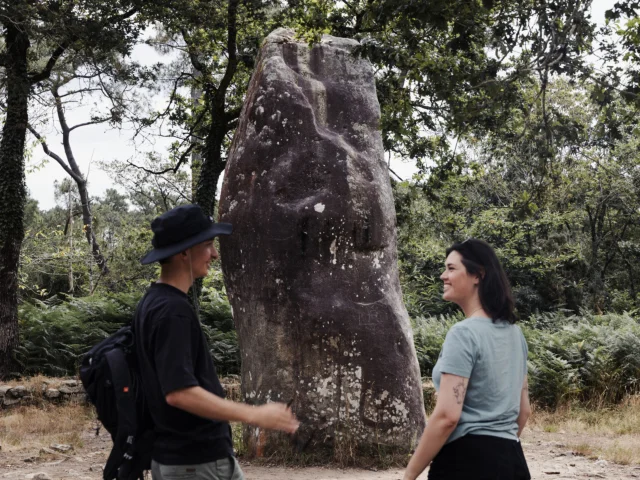
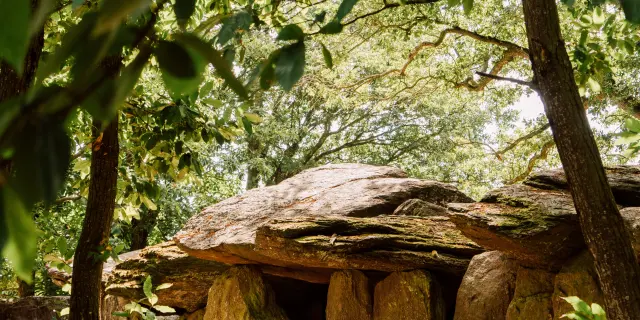
Southern Brittany’s Morbihan area is home to an extraordinary treasure: the world’s largest concentration of megalithic monuments in a single region. Its 550 sites are unparalleled for their close connection to the maritime landscape, the richness of the engravings found there, and the monumental scale of their construction.
Visitors can explore the sites at a gentle pace thanks to hiking trails and facilities designed to preserve both the integrity of the monuments and the peacefulness of the surroundings.

The Carnac megaliths

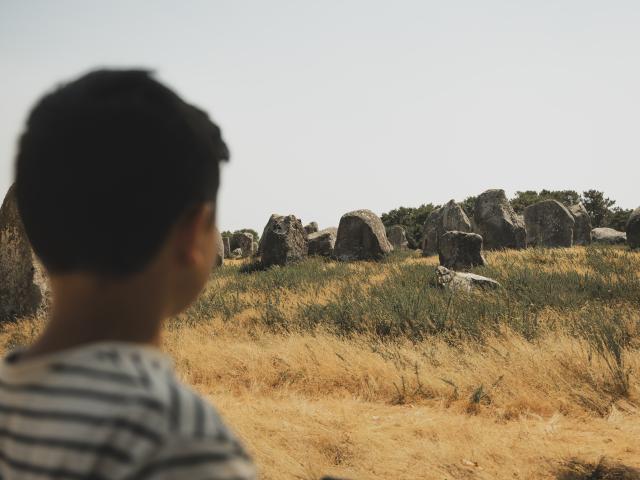
The most complete and impressive alignments are found in Carnac, extending all the way to La Trinité-sur-Mer. Altogether, 3,000 menhirs stand in 10 to 13 rows over a distance of 4 kilometres, divided into four main groups: Le Ménec, Kermario, Kerlescan, and Petit Ménec. These stones, perfectly aligned, were deliberately erected during the Neolithic era. Their exact purpose remains a mystery, sparking endless fascination. To learn more, visit the discovery centre, the Maison des Mégalithes, where exhibitions, films, and interactive displays explain the many aspects of these stones. Guided tours help visitors appreciate the complexity of the site, and children can join in fun role-playing activities.

Locmariaquer: A Giant Fallen Menhir

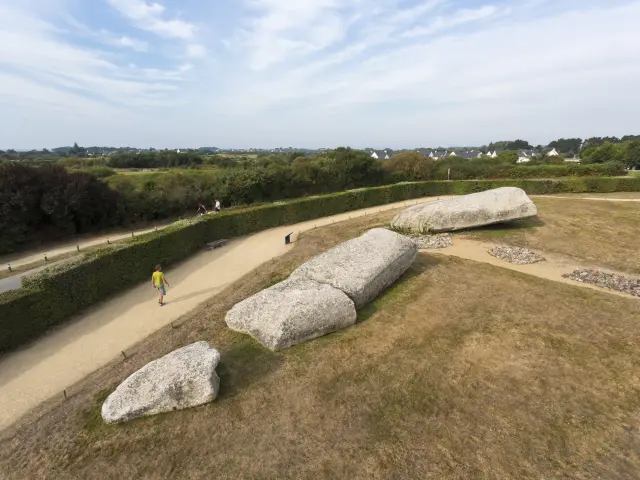
One of the most striking stones is the great Er Grah Broken Menhir at Locmariaquer. Although it now lies on the ground in four pieces, it originally stood an astonishing 20 metres tall and weighed 300 tonnes. Imagining how it was transported and erected is truly mind-boggling — and the same goes for the other 18 monumental stones at the site, that have now disappeared, but whose location remains visible.


The Gavrinis Tumulus

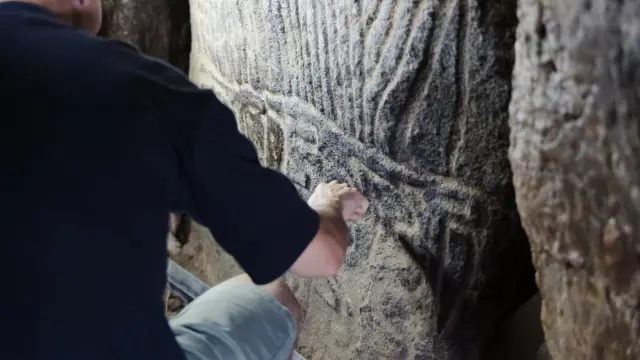
Even more moving and spectacular is the cairn of Gavrinis, located on an island in the Gulf of Morbihan. When it was built, its hilltop location made it highly visible, though today it is surrounded by pine trees and only accessible by boat. Inside, visitors are greeted by the remarkable beauty of carved stelae — ancient gravestones. A visit here feels like stepping out of time, offering a profound lesson in prehistory in a serene, pastoral setting.

Latest press releases