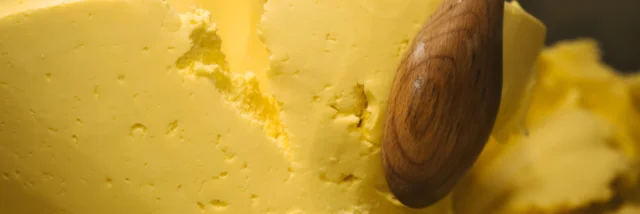
Beurre de Madame - Ferme Le Hirdyer - Savoir faire
©

Beurre de Madame - Ferme Le Hirdyer - Savoir faire

|

Anne-Claire Héraud

Breton butter

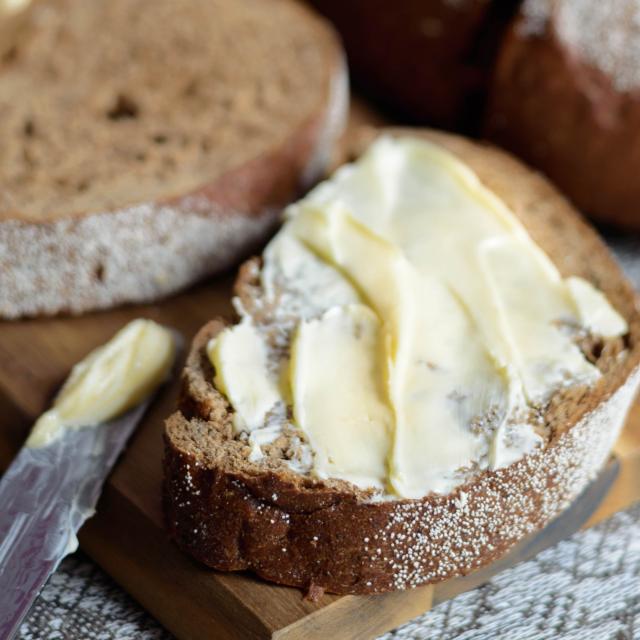
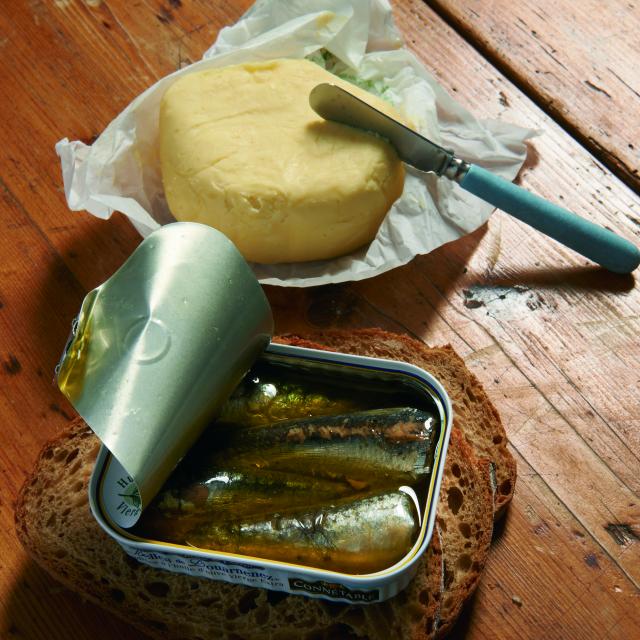
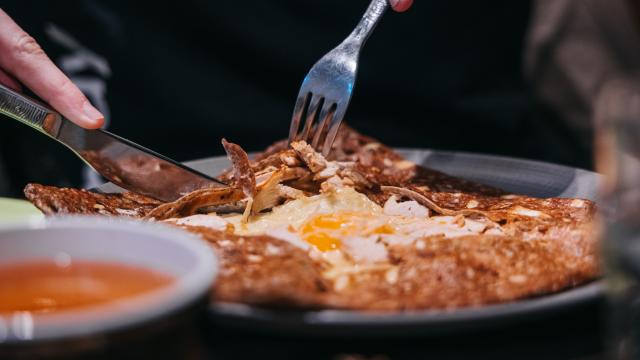
You spread it on bread at breakfast or to accompany a dozen oysters, you melt a generous knob of it in crepes or on “spuds”, you nourish meat and fish with it and, without it, some of the emblematic local specialities wouldn’t exist! Welcome to “Butterny”!

Why do people eat salted butter in Brittany?

Brittany produces a lot of milk and really likes butter, salted butter or semi-salted in particular! Why? It’s a question of taste and history… In bygone days, at a time when modern means of preservation didn’t exist, adding salt to butter made it keep longer. In 1343, a salt tax was introduced almost everywhere in the Kingdom of France and the price of salt increased so much that the peasants gave up on salted butter in favour of the unsalted variety. Brittany, however, was exempted from the tax, so Bretons continued to eat salted butter.

Is there more than one sort of butter?

  • Fine and extra-fine butter are made from pasteurised cream.
  • While raw butter is made from unpasteurised cream; it doesn’t keep as long but has a richer flavour profile.
  • So-called “churned” butter is made using an age-old technique consisting of beating cream in a wooden barrel.
  • Depending on its salt content, we speak of semi-salted butter  (between 0.5 and 3%) and salted butter (more than 3% and possibly containing crystals).

Which breeds of cows ensure the richness of Breton butter?

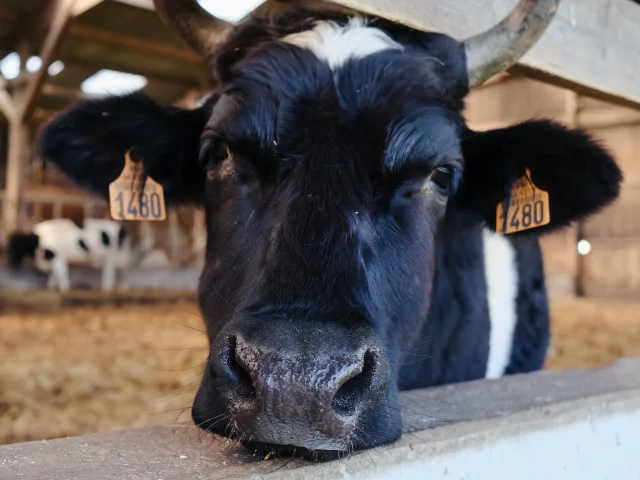
Once a common sight in the Breton countryside, Pie Noire and Froment du Léon cattle almost disappeared from local farms in and after the 1970s as they weren’t commercially viable enough for productivist farming. Over the last few years, however, thanks to farmers committed to a qualitative approach, they’ve been making a comeback in the pastures as their very rich milk enables production of outstanding butters, deep yellow in colour and incomparably flavourful.

Where and when is butter celebrated?

  • In Spézet, Finistère, during Notre-Dame-du-Crann’s pardon (religious feast day) on the Sunday after Pentecost, you can come and admire a gigantic, magnificently sculpted block of butter set on the chapel’s altar. In the village, the Maison Bleue also hosts a permanent exhibition called “Histoires de Beurre” (Butter Stories).
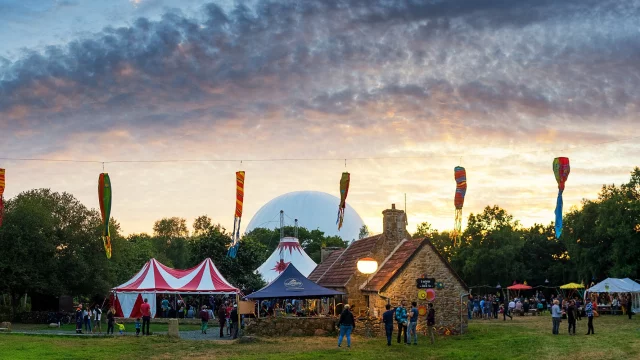
  • In Plonévez-du-Faou, the Butter Festival takes place around the Saint-Herbot chapel in late September. The “menu” includes making and sale of old-fashioned butter.


Click. Inspire. Go…
Receive the Brittany newsletter!

To receive 4 times a year a summary of the best things to do in Brittany by e-mail head this way.

How do you eat it?

Raw or cooked (at between 40°C and 120°C), Breton butter has all sorts of culinary uses! If you’re making pastries, you’ll be pleased to know that cooking does nothing to impair its original flavour. Butter isn’t fattening if you eat it in reasonable quantities. It’s also good for your health as it’s packed with vitamins (A, D and E).

What are the tastiest specialities made with Breton butter?

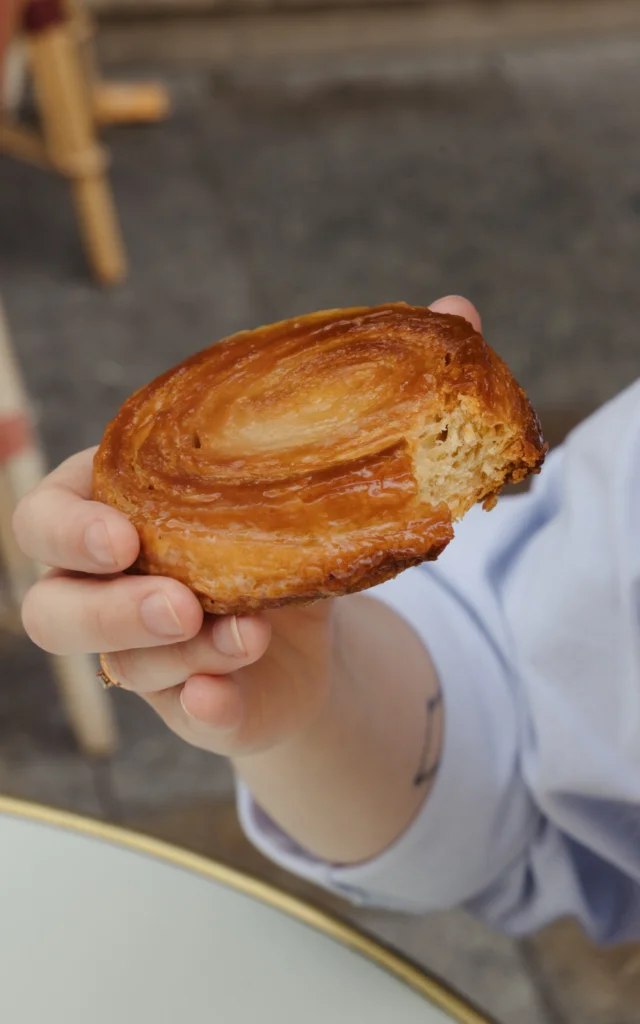
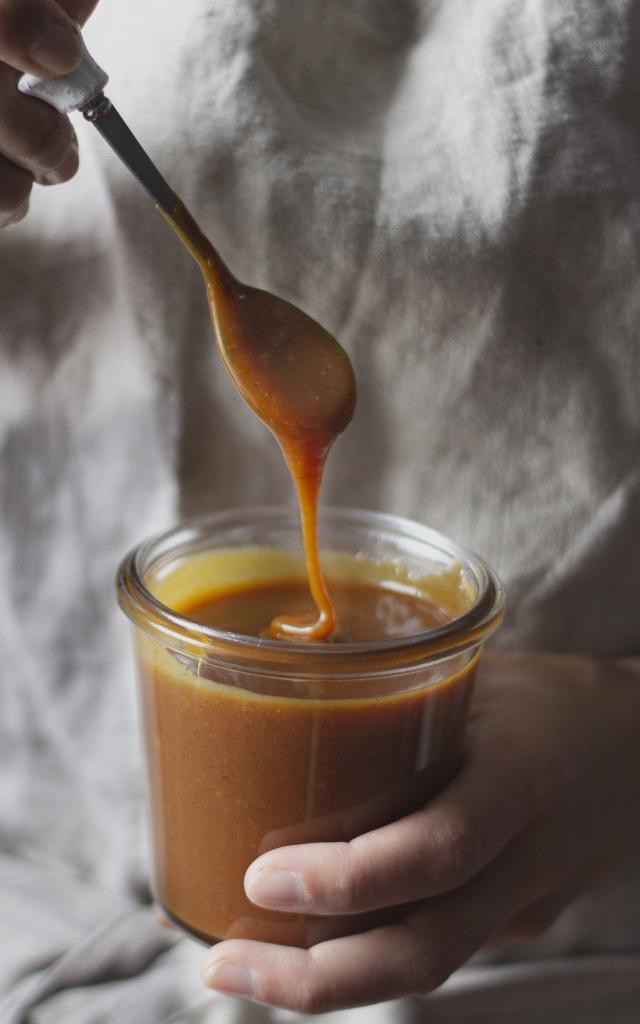
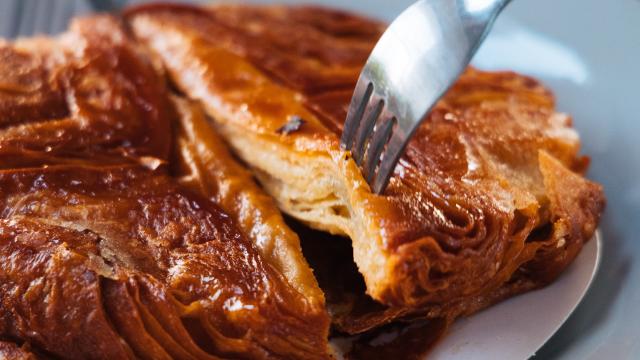
Omnipresent on Brittany’s dining tables and in its kitchens, butter is the key ingredient in numerous sweet specialities: without it (and that would be really sad!), no kouign-amann, which means “butter cake”, salted butter caramel , gâteau breton or palet breton.

Where can you try salted butter in Brittany?

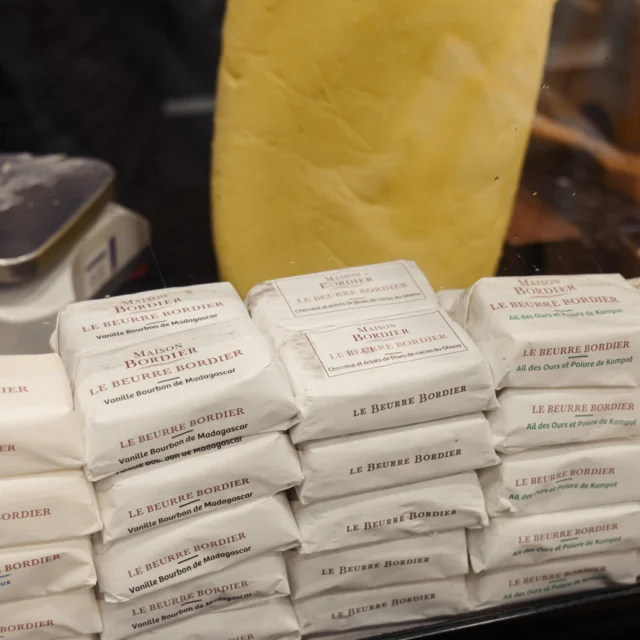
  • The Maison du Beurre in Saint-Malo: Master Butter-Maker Jean-Yves Bordier is one of the few craftspeople to use age-old butter-making techniques. He stands out in particular for his flavoured butters (seaweed, buckwheat, smoked salt… and even raspberry!). His shop is next door to the “Bistro Autour du Beurre”, which serves butter-based dishes inspired by products from land and sea alike.
  • Couleur Froment” butter: Stéphane Terlet fell in love with the Froment du Léon cattle breed and has a herd of them on his organic farm in central Brittany. Nicolas Adam, the Michelin-starred chef at La Vieille Tour in Plérin, near Saint-Brieuc, has no hesitation about describing his butter as “one of the best in the world”.
  • Kerbastard Farm in Bubry, whose butter has won over such starred chefs as Yannick Alléno at Le Pavillon Ledoyen in Paris.
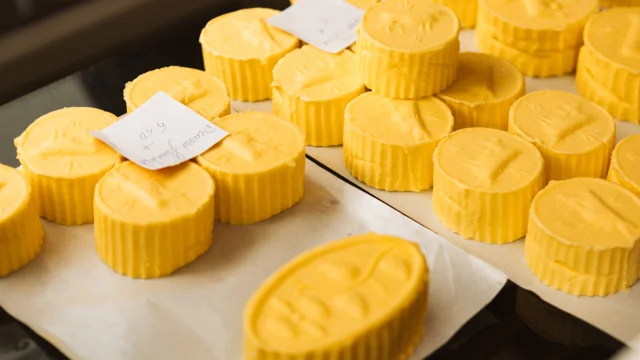
  • Thierry Lemarchand, a stockbreeder and artisanal butter-maker in Pacé near Rennes, makes the superb “Beurre de Madame”… In days gone by, the Froment du Léon used to be nicknamed the “vache à Madame” (the lady’s cow) due to its endearingly docile character. It’s the Roellinger family’s favourite butter – a dynasty at the pinnacle of Breton gastronomy, based in Cancale.

You might also like...