©

Whisky Warenghem

|

Distillerie Warenghem

Whisky, liqueurs & Breton spirits

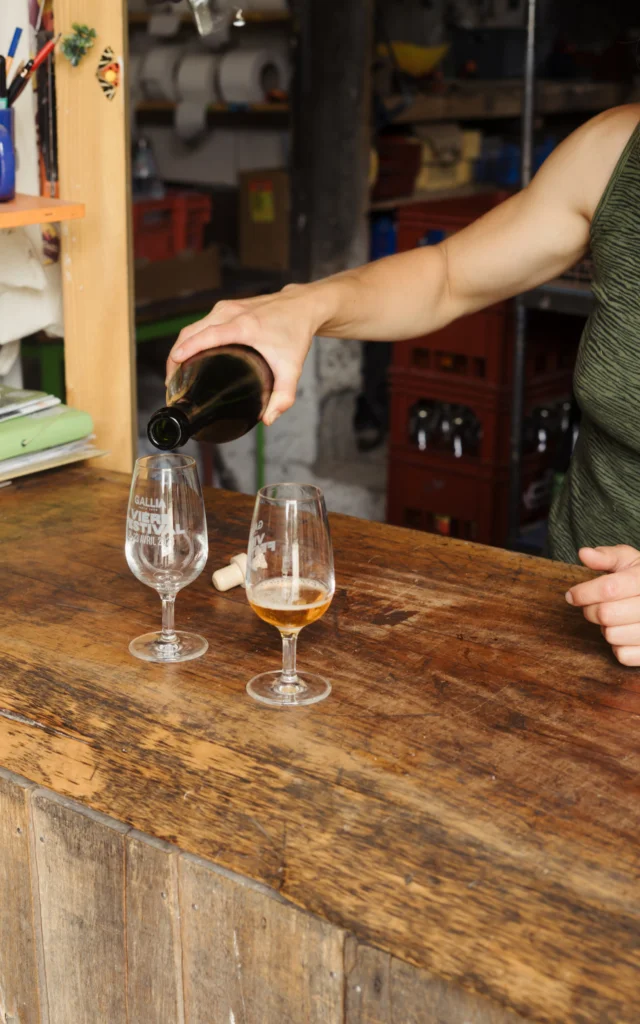
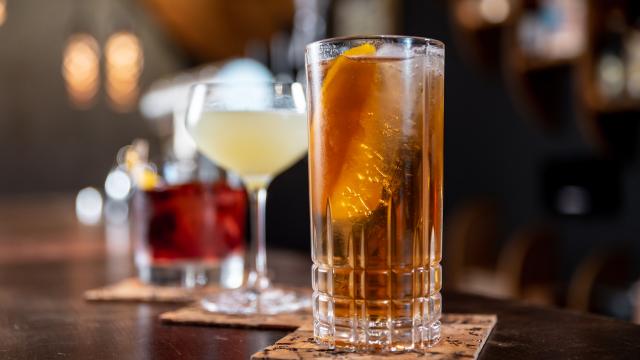
Yec’hed mat – Cheers! Acquaint yourself with the Breton knowhow that has made these craft spirits famous. In addition to such traditional beverages as Pommeau, Brittany has also become the birthplace of delicious whiskies, gins and original eaux-de-vie thanks to its audacious craftspeople. Honey, apples, buckwheat and salted butter caramel are often included in these distinctive spirits, which can be enjoyed as aperitifs and digestives alike. Breton distilleries also open their doors in order to share the secrets behind their creations… To whom it may concern…

En un coup d'œil
Pommeau de Bretagne AOC

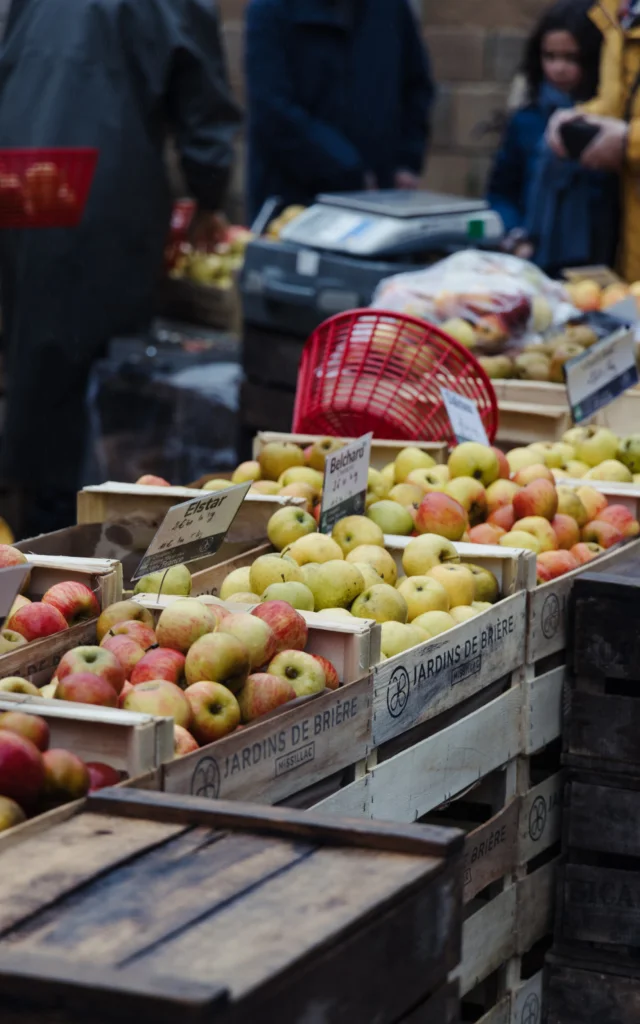
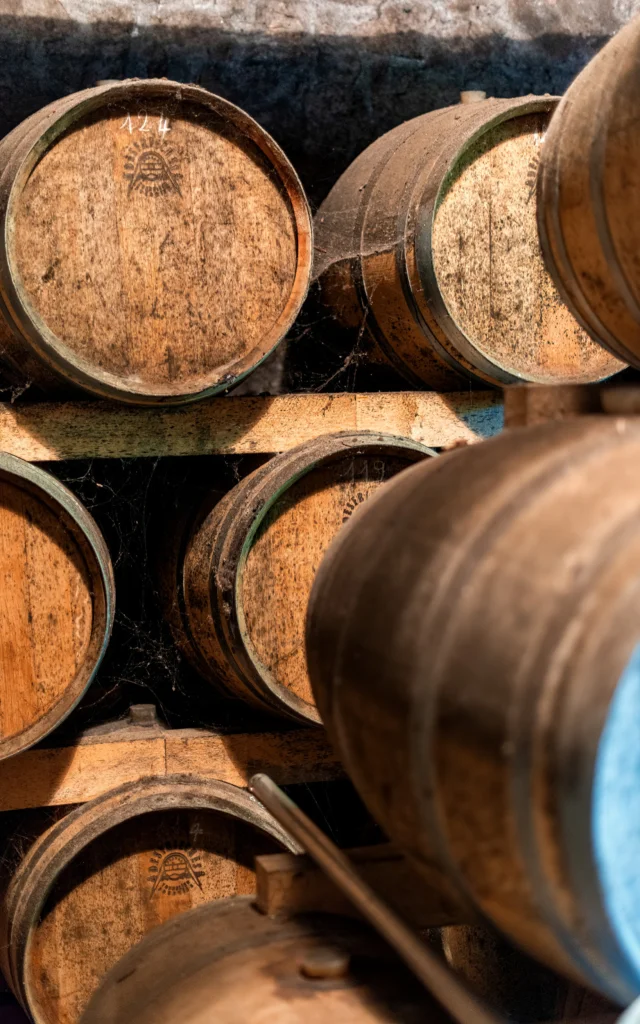
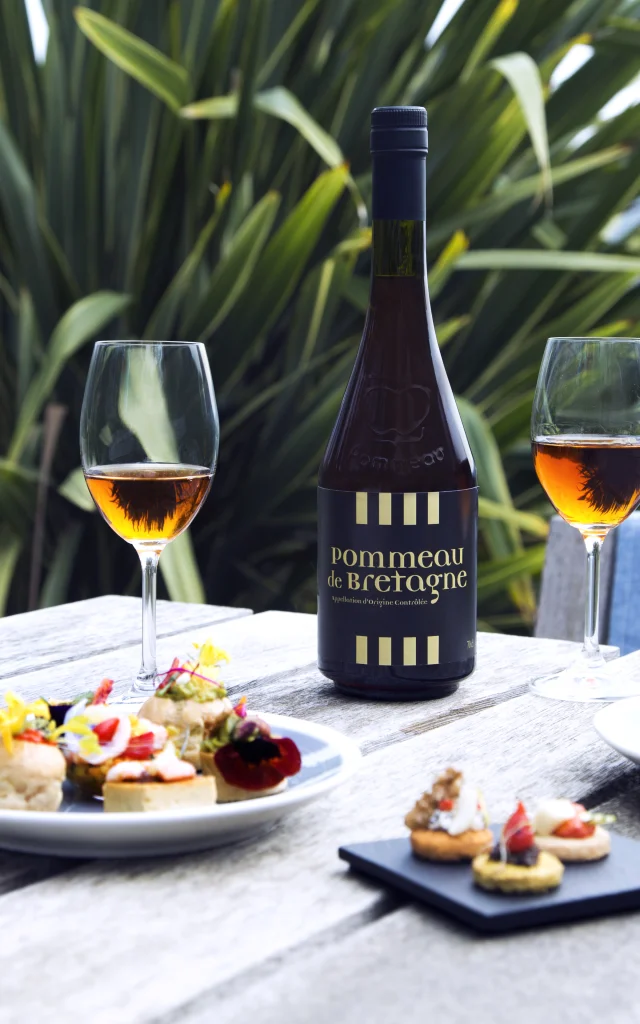
It’s a fortified wine! Kezaco? An apple-based drink whose fermentation is stopped by “mutage” (addition of alcohol, cider eau-de-vie in this case) in order to preserve residual sugars. By doing so, you obtain a sweet beverage (at least 90 grams of sugar per litre and between 16 and 18% vol.), aged in oak barrels for at least 14 months. Pommeau is characterised by its amber colour, balance between sweetness, tartness and acidity, and aromatic palette with notes of candied fruits, spices and prunes. Best enjoyed at between 8 and 10°C – to accompany a dessert or as a digestive for example.

Pommeau de Bretagne

Eau-de-vie de cidre de Bretagne AOC

This high-proof cider eau-de-vie https://www.tourismebretagne.com/selon-mes-envies/gastronomie/les-boissons-bretonnes/cidre-et-jus-de-pomme/ (40% vol.) is obtained by distilling dry cider in a still (“ul lambig” in Breton). Also called Fine de Bretagne and lambig, it’s the Breton equivalent of Normandy’s Calvados. It must be aged in oak barrels for at least two years to earn its AOC, and ten years for vintage eaux-de-vie. This distinctive spirit, with its fruity nose and rounded mouthfeel, should be drunk at room temperature. It can also be used in the kitchen for flambéing meats and seafood.

The great names of Fine de Bretagne :

Chouchen (or Chouchenn)

It’s one of the world’s oldest drinks and part of Brittany’s Celtic heritage. So what are the ingredients of this hydromel, a sort of “honey wine”? Water and honey, and usually no apple juice or cider, although a few producers used them in bygone days. This golden-hued alcoholic beverage (13% vol.) is generally drunk cold as an aperitif, with a dessert or as a digestive, even though each cuvee has its own aromatic identity depending on the honey(s) chosen and how and how long it’s matured.

The great names of Breton chouchen:

  • Chouchen Melmor, a crafted mead, and its organic version “l’Héritage des Druides” from the Warenghem Distillery.
  • The Cave du Dragon Rouge has made chouchen its speciality since 1960 and has been rewarded by numerous national and international distinctions.
  • “Hydromelix”, flavoured naturally with apples, Plougastel strawberries, salted caramel and spices, from Maison Fisselier.

Breton whisky

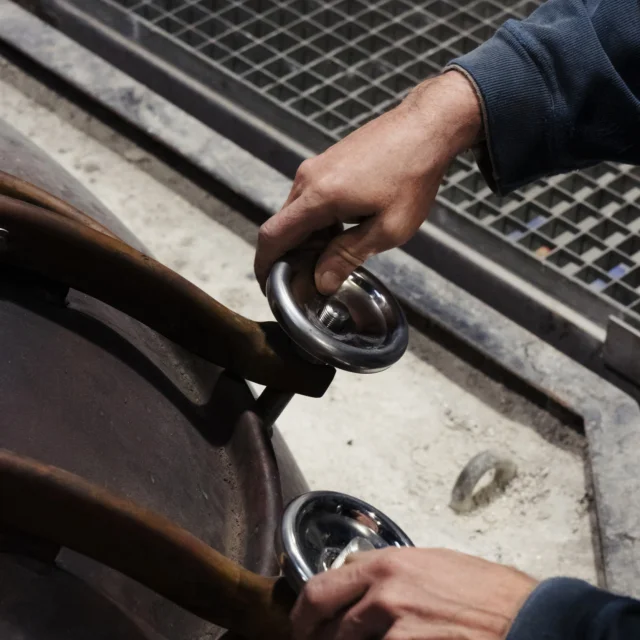
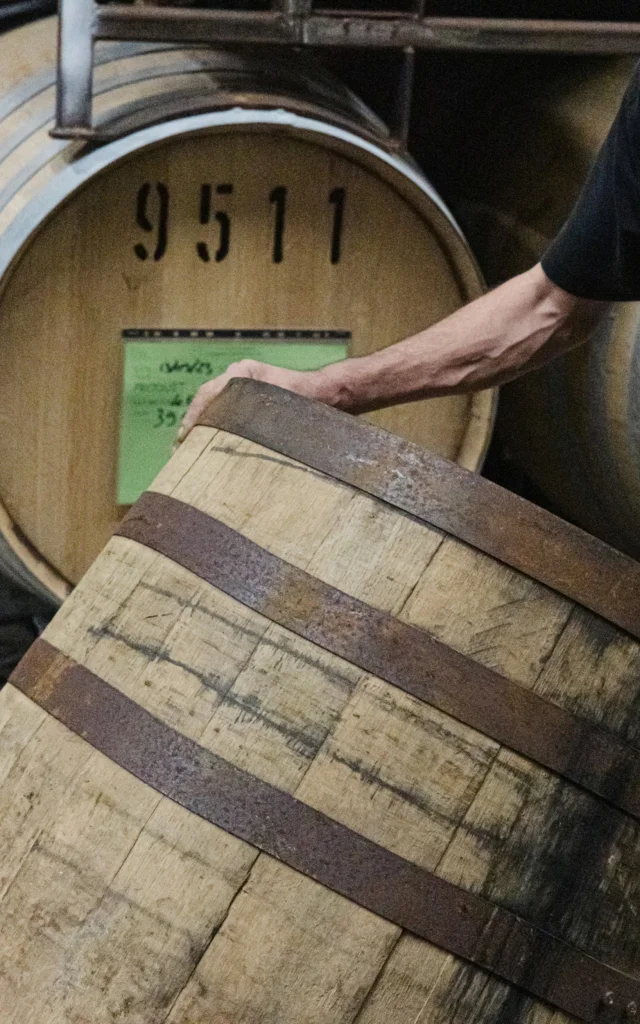
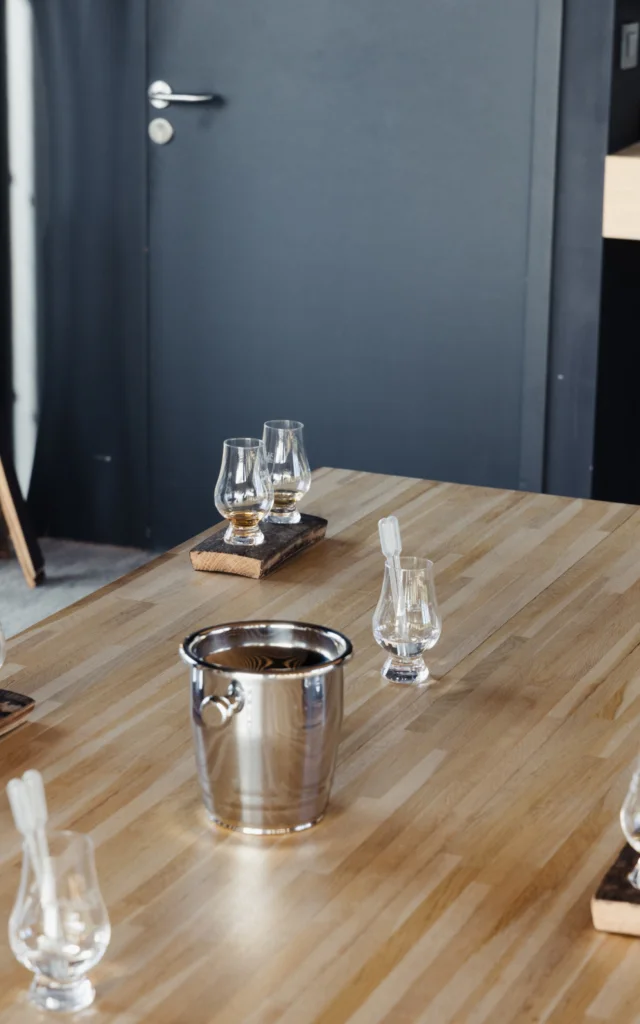
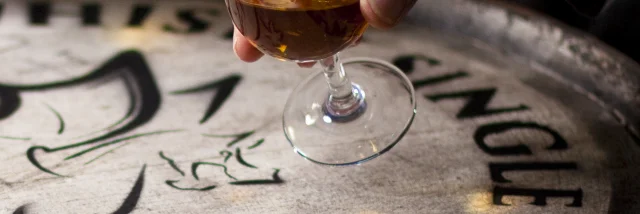
No need to go to Scotland to enjoy a good whisky! Brittany has answered the call of Celtic tradition and produces whiskies of remarkable quality. The secrets of an outstanding Breton whisky? First-class ingredients, recognised knowhow, good hygrometric conditions enabling slow maturation and rigorous selection of barrels for ageing.

Breton whiskies and their distilleries:

More and more Breton distilleries are using their imagination to come up with remarkable eaux-de-vie and spirits. In particular, many of them have set themselves to producing gins, starting with Malouin’s, the Gorvello Distillery, the Warenghem Distillery and Awen Nature.

Fédération du whisky de Bretagne

Other gourmet liqueurs

  • Fleur de caramel : a real treat for adults only, this salted caramel liqueur with Guérande salt was created by Maison Fisselier in 1998.
  • Le Kremmig from the Kinkiz Cidery: this creamy liqueur made with Breton lambig is best drunk on crushed ice or as a topping on pastries.

Abuse of alcohol is dangerous for your health. Drink responsibly. 

You might also like