Auberge du Menez - Saint-Rivoal
©

Auberge du Menez - Saint-Rivoal

|

Noémie Lefèvre

Sea Bass

Fished using sustainable practices that respect the environment and can be dangerous, line-caught sea bass have slender bodies, white bellies and silvery grey backs. In addition to their elegance, their flesh is remarkably delicate, lending itself to a wide range of preparation techniques and making them a favourite fish among chefs and amateur cooks alike.

In the blink of an eye
What times of year can I eat line-caught sea bass?

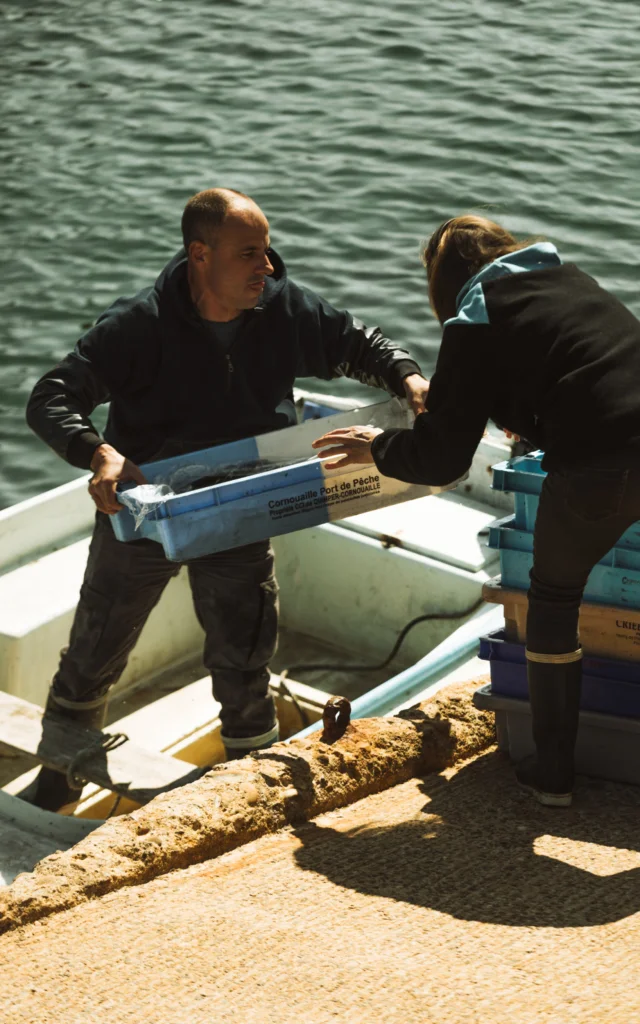
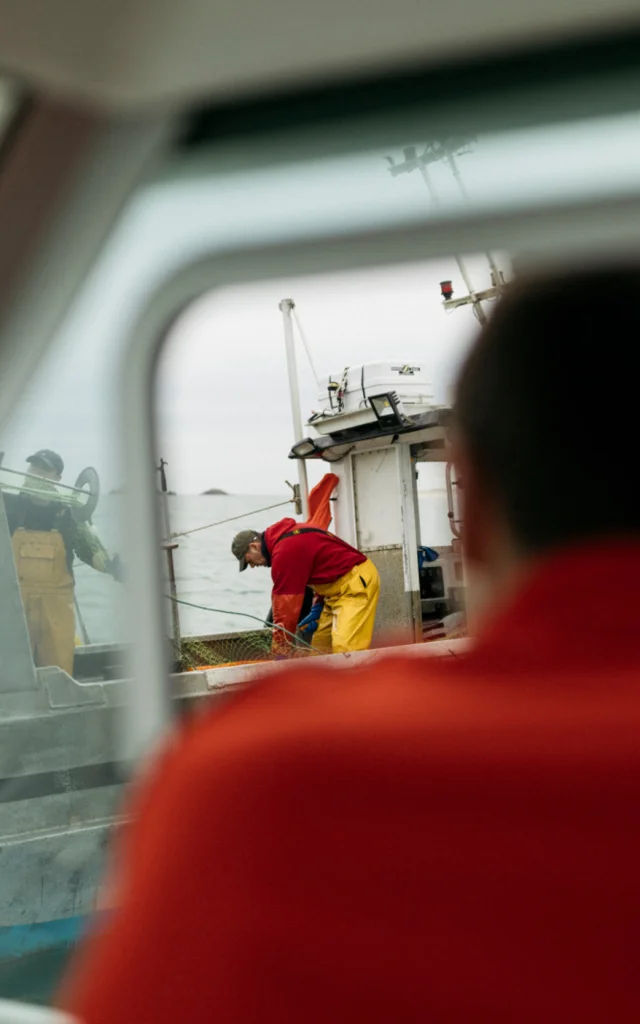
This wild sea fish is an athlete that likes rough waters and strong currents that skim the rocks, breakers that shatter on the beaches, and tumultuous nature in general. Established as an association – Ligneurs de la Pointe de Bretagne – some 150 lone sailors brave the waves aboard their little vessels, tiller in one hand and line in the other, to catch the creature, which is scarcely on board before it’s bled and gutted. Unlike net and trawl fishing, line fishing ensures preservation of the fish’s integrity and gustatory qualities.

What times of year can I eat line-caught sea bass?

In order to protect the resource, fishing for line-caught sea bass is highly regulated. The key points of its regulation include the prohibition to fish it between 1 February and 31 March, the spawning season. At this time of year, you won’t find the fish on market stalls or restaurants’ menus (those that work with fresh produce anyway!).

How do you prepare line-caught sea bass?

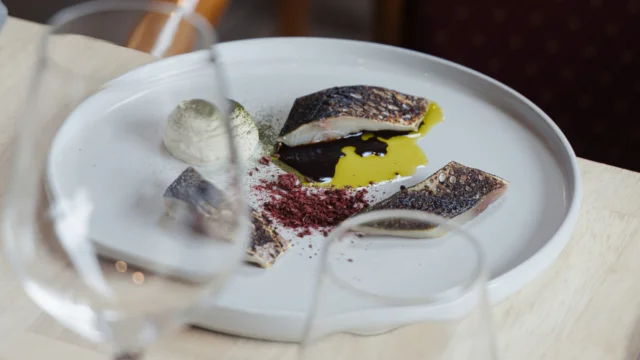
It’s delicious raw, as a carpaccio, tartare or ceviche. Cooked, it can be poached, grilled or filleted and pan-fried. But like all fish, it’s best cooked whole, drizzled with olive oil or basted with a little butter. One of the flagship recipes? Salt-crusted sea bass baked in the oven, which brings out the full delicacy of its flesh without drying it out. Just as good for your waistline as it is on your plate, it’s rich in phosphorus, magnesium, potassium and vitamins. A powerhouse of salty sea flavour and nutrients that’s very good for your health.

Where can I buy line-caught sea bass?

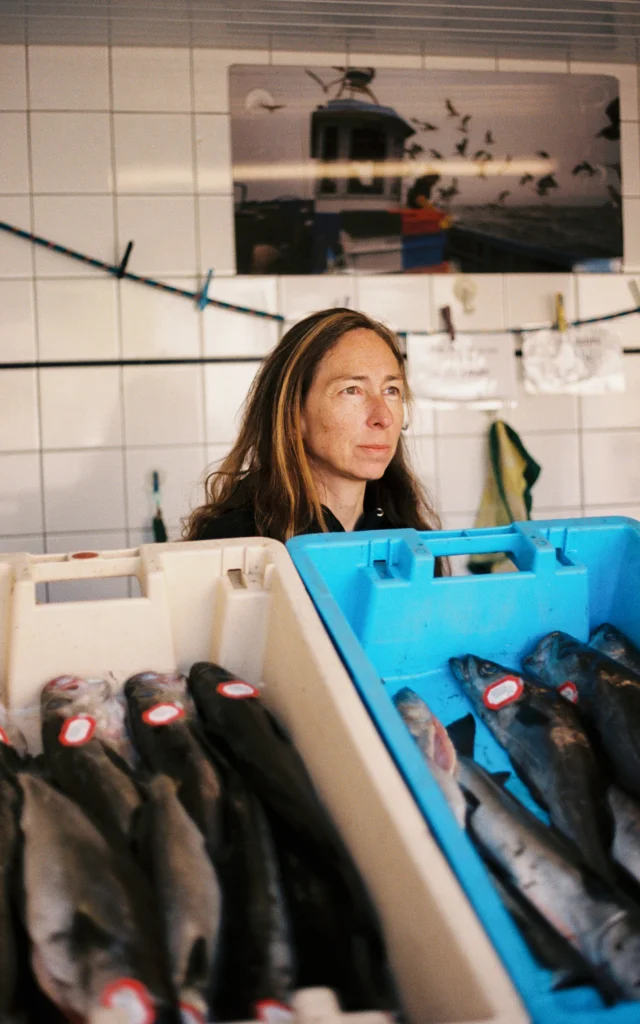
Line-caught sea bass are recognisable by the tag attached to their gills stating the boat’s name and where they were caught, and are always sold whole by fishmongers.

  • Ondine Morin fishes for sea bass off Ushant Island, aboard her troller “Finis Terrae”, and sells them direct on the village of Lampaul’s square.
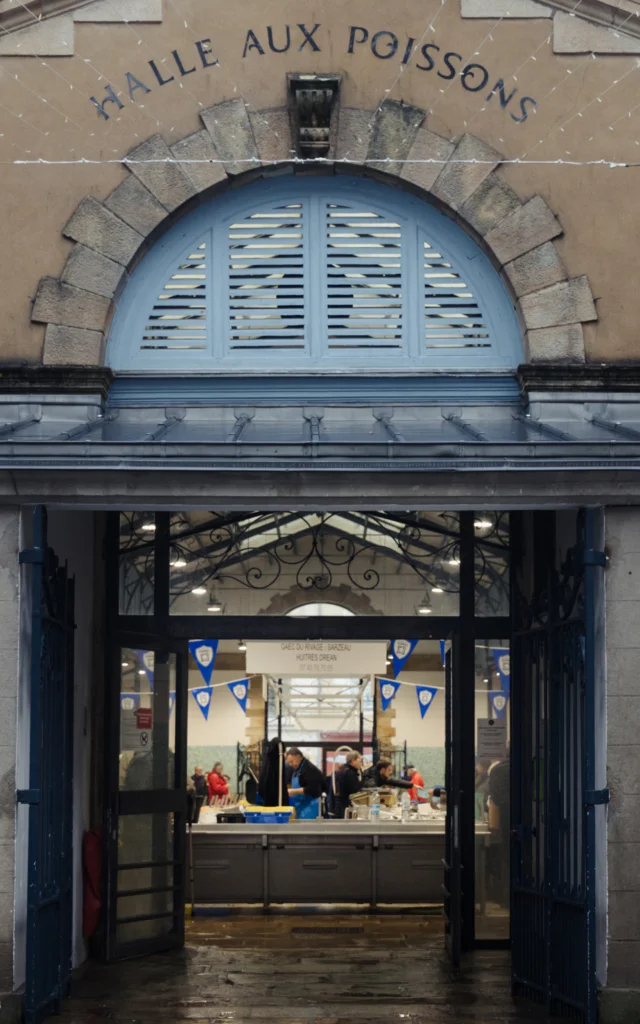
  • In Audierne, a hotspot for wild sea bass fishing, the handliners return with their booty, which then turns up in the best fishmongers on the tip of Brittany. Sea bass are also sold fresh out of the water at the Les Viviers d’Audierne fish wholesaler.

Where can I enjoy line-caught sea bass in Brittany?

Respected and cosseted, the line-caught sea bass is also the favourite fish of Brittany’s quality restaurateurs, who often work with their own fishermen.

  • A few restaurants, including IMA in Rennes and Hinoki in Brest, serve ikejime-treated sea bass, an age-old Japanese technique used by a few rare Breton fishermen that consists of destroying the fish’s nervous system so as to prevent it from suffering and ensure its flesh is of incomparable quality.
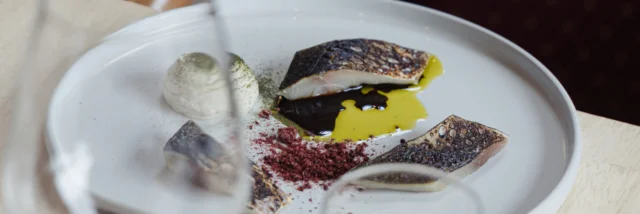
  • At Allium in Quimper, Lionel Hénaff accompanies his locally line-caught fish with grilled broccoli, pureed, with pears and lovage.

You might also like...