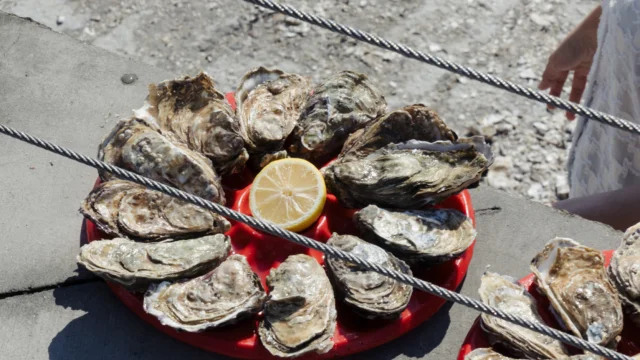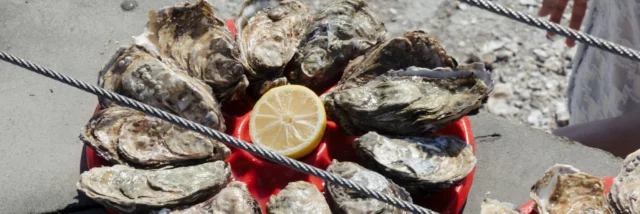
Cancale - Marché aux huitres - Plateau d'huitres
©

Cancale - Marché aux huitres - Plateau d'huitres

|

Noémie Lefèvre

Oysters

From north to south, Brittany’s coastline is particularly well suited to the farming of oysters known for their outstanding quality. Fine, special, cupped or flat, they all boast a powerful sea-salty flavour and each “merroir” (marine environment) has its own taste nuances. A product rich in essential nutrients, oysters are a complete, healthy source of benefits for the body!

Where are oysters farmed?

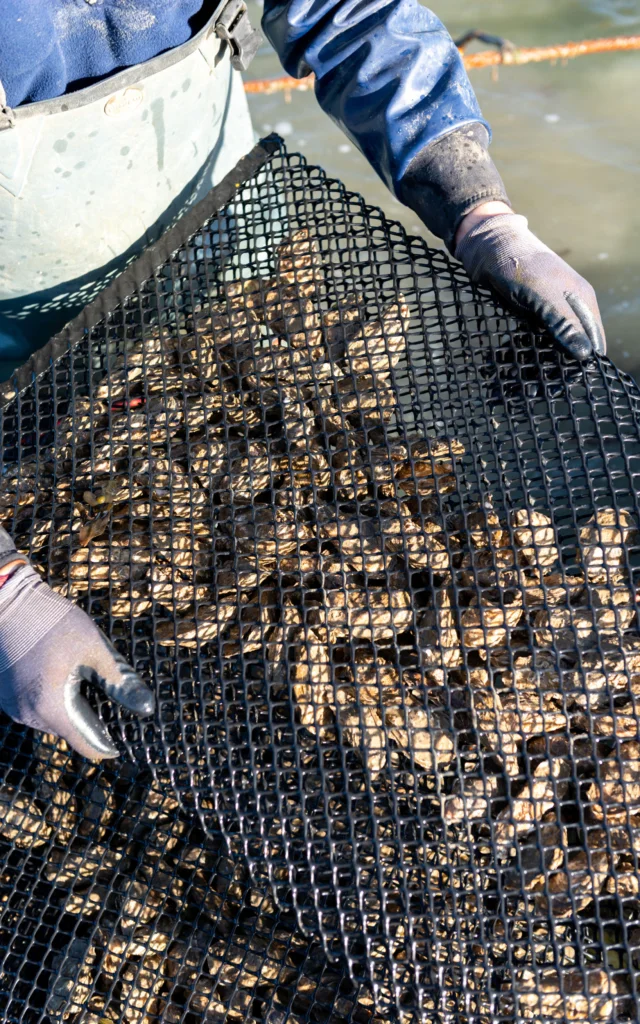
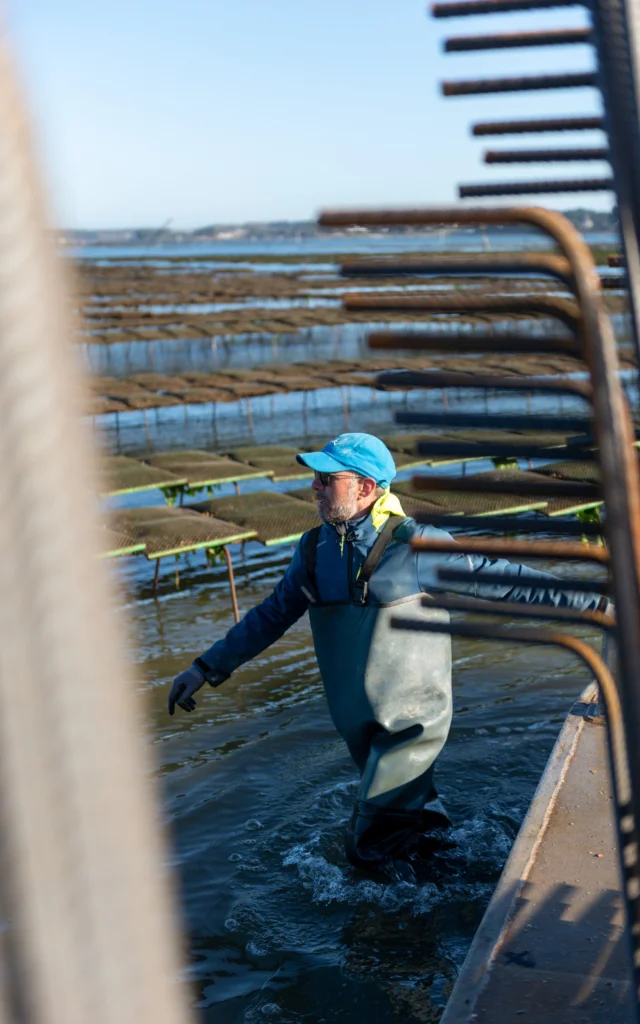
CancalePaimpolTréguierCarantec, Prat-ar-Coum in Aber Wrac’h, the Roadstead of Brest, the Aven and the Belon, the Etel Ria, Quiberon Bay, the Gulf of MorbihanPénerfMesquer, Le Croisic…and we forget where else! There are countless Armorican sites devoted to oyster farming! On the menu, cupped oysters – which also exist in the wild in a few areas – and much rarer flat oysters with their subtle hazelnutty flavour. What’s the most common farming method? In pockets arranged on metal tables set up on the foreshore.

Since November 2019, Cancale oysters have been inscribed on UNESCO’s Intangible Cultural Heritage list

How do you distinguish oysters…from other oysters?

  • Fine or special: it’s all a question of condition index (CI)! Fines are thinner than specials, which are farmed with the aim of being very fleshy.
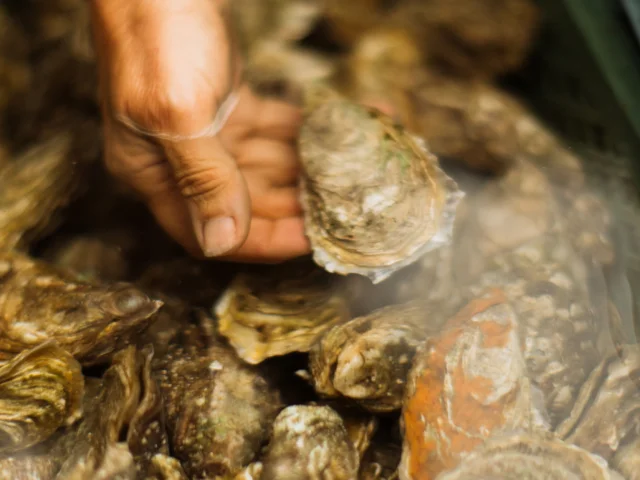
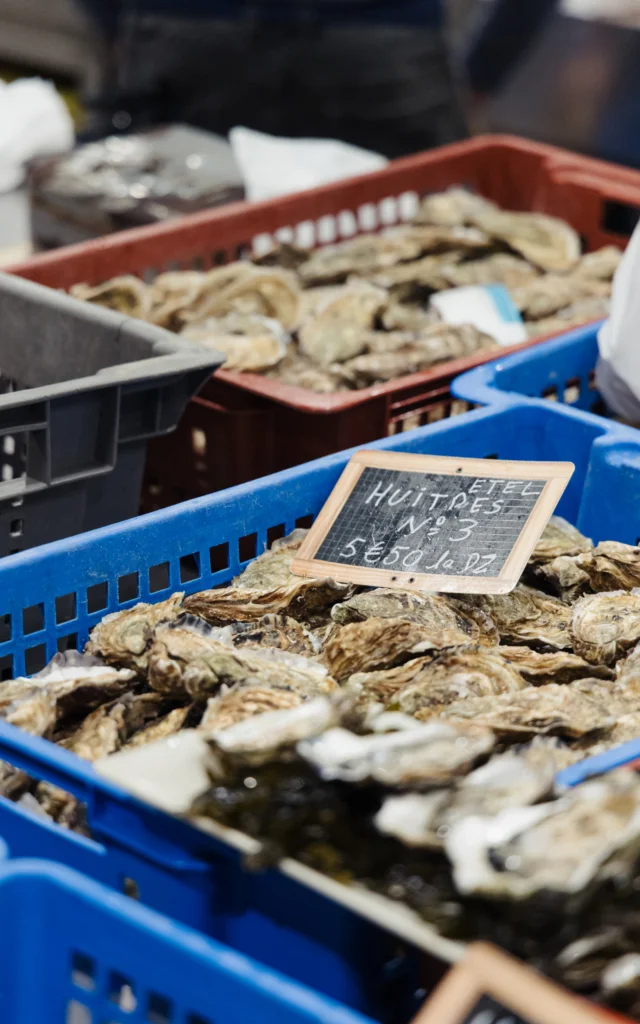
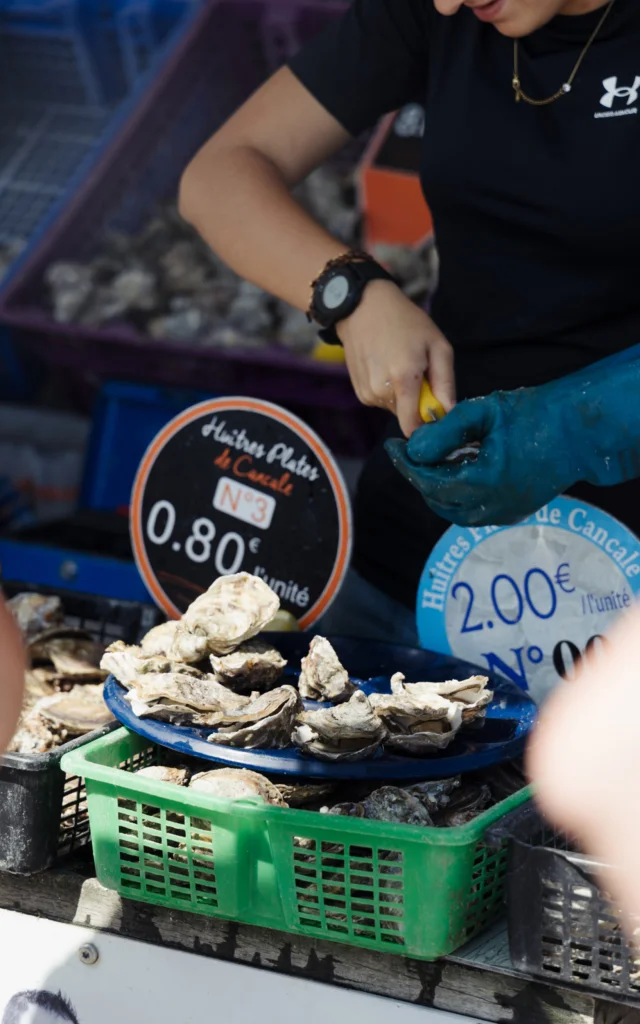
  • Small or big: cupped oysters are numbered from 0 to 5 and flat oysters from 0 to 6. Take care though – the lower the number, the heavier and bigger the oyster! In the “flat” category, there are even 00 and 000 (“double zero” and “triple zero”) giants.
  • “Les Huitres nées en mer” (Sea-born Oysters): this description appears on the Ostréiculteur Traditionnel association’s logo, affixed to the baskets and market stalls belonging to oyster farmers who produce oysters born and bred at sea, in harmony with the mollusc’s natural cycles!

When’s the best time to enjoy them?

Why do they say you should only eat oysters if there’s an “R” in the month? Brief textual explanation: from May to August, in the middle of the breeding season, oysters produce a milky roe that some of their fans dislike, although it doesn’t impair their taste or nutritional qualities. In order to avoid this natural phenomenon and so you can enjoy non-milky oysters all year round, certain oyster farmers breed sterile (triploid) oysters. Conclusion: you can eat oysters any time of year in Brittany! 

Did you know?

The Oyster Festival
  • Every year in early September, Paimpol hosts a major festival in celebration of the oyster: packing in baskets, seed stripping, demonstrations of equipment, bag-flipping competition, shucking competition, and more besides. A not-to-be-missed rendezvous in Côtes d’Armor.
  • Late April-early May, rendezvous in Morlaix Bay, Finistère, for the Oyster Festival held in Carantec, with gastronomic tour, oyster aperitifs, open-air dance evenings and boat trips among the attractions.

Cliquez. Inspirez. Partez…
Recevez la newsletter Bretagne !

Pour un condensé du top de la Bretagne chaque mois par mail, c’est par ici.

Where can I enjoy them on producers’ sites?

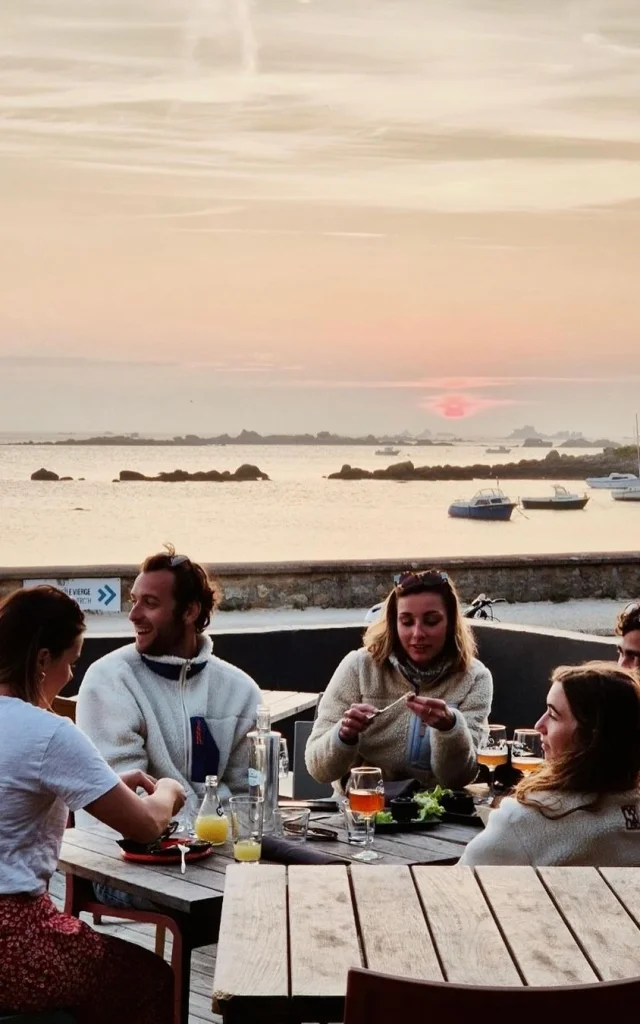
  • In Saint-Philibert, neighbouring Trinité-sur-Mer, come and take a seat on the Perle de Quéhan’s terrace overlooking the cove of the same name and enjoy Jeff Quintin’s flat and cupped oysters.
  • Take in the superb view from the Maison Legris oyster bar alongside Castel Ac’h Beach in Pays des Abers. A modern setting with a wide choice of oysters and seafood direct from the producer.
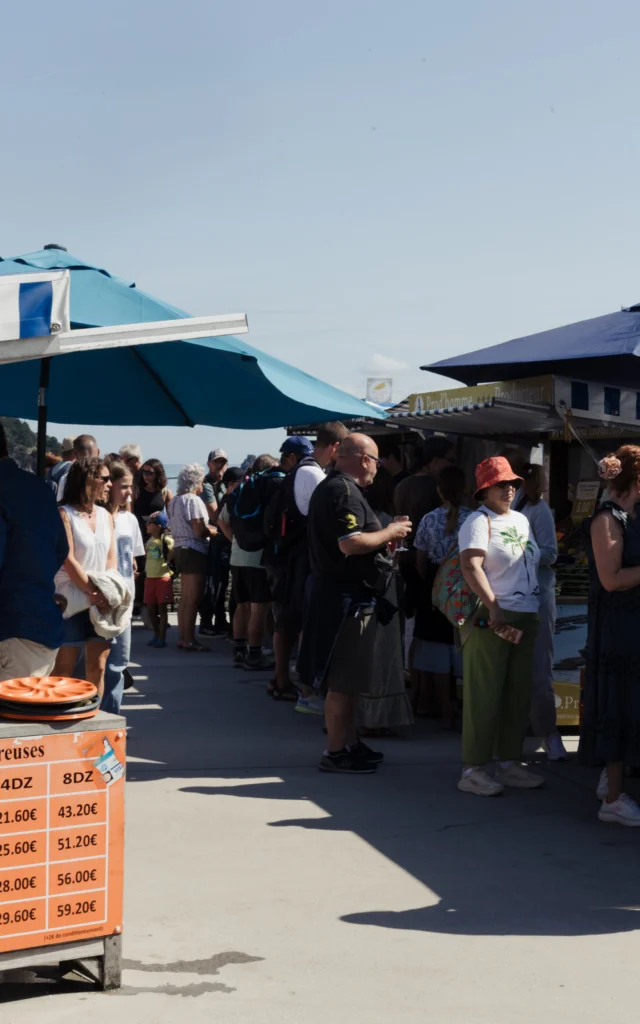
  • At the very end of Cancale’s port, at the foot of the Houle lighthouse, you can buy oysters direct from producers’ farms and enjoy them in situ. Cancale’s oyster market , the only one of its kind in France and open all year round.

Where can I buy oysters in Brittany?

From Cancale to the Rhuys peninsula by way of Les Abers, there’s not a single Breton market that doesn’t sell oysters! A good many oyster farmers also sell their oysters direct in their “chantiers”, as their waterside shacks are called. Such is the case with Huitres de Listrec in the Etel Ria, for example, where Tifenn and Jean-Noël can supply you with delicious natural oysters.
Feel like taking a basket back home? No problem: you can store them for a maximum of 8 days in a cool room (the temperature should be between 5 and 15°C) or laid flat at the bottom of the fridge, cupped side down.

How do you prepare them?

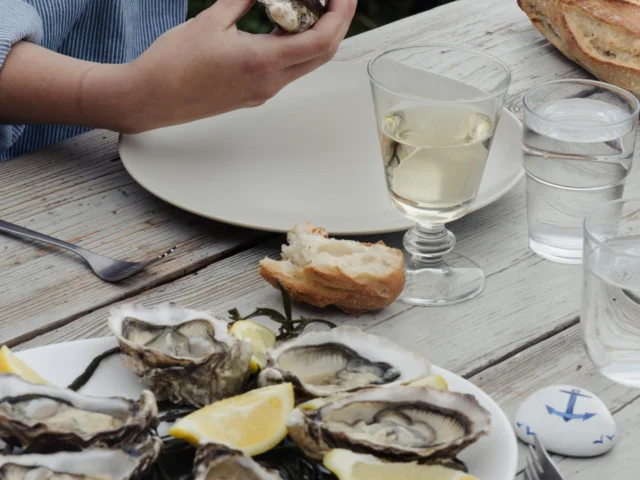
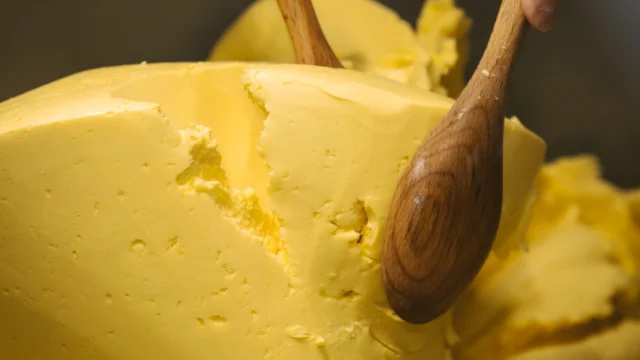
Purists like their oysters “as is”. But seasoning with a squeeze of lemon juicea turn of the pepper mill or a wine vinegar and shallot sauce, brings out all their flavours. Always check that an oyster is actually alive before you eat it. To do so, poke it with the tip of a knife or a fork. It should shrink back slightly. And to accompany it? Good-quality bread and semi-salted butter! Delicious raw (and even diced in a tartare! ), they can also be eaten hotgratinatedsteamed or grilled. The ideal being to cook them for no longer than five minutes.

Find out even more!

Oysters won’t hold any more secrets for you thanks to Ostreika, which will lead you into the midst of Cancale Bay’s oyster farms. The guided tour ends with a tasting session and even an oyster barbecue for true gourmets.

Where can I eat oysters in Brittany ?

Where can I enjoy them on producers’ sites?  

  • In Saint-Philibert, neighbouring Trinité-sur-Mer, come and take a seat on the Perle de Quéhan’s terrace  overlooking the cove of the same name and enjoy Jeff Quintin’s flat and cupped oysters.
  • In Séné, near Vannes, La Belle d’Ilur serves natural oysters and other seafood all year round. In winter, there’s a warmly welcoming dining room awaiting you. When the weather’s fine, take a seat on the waterside terrace!
  • Head for the Kerarzic peninsula in Paimpol! Maison Arin’s enchanting oyster bar is open from April to September… Stunning sea view guaranteed!
  • Take in the superb view from the Maison Legris oyster bar alongside Castel Ac’h Beach in Lilia, near Plouguerneau, in northern Finistère. A modern setting with a wide choice of oysters and seafood direct from the producer.
  • At the very end of Cancale’s port, at the foot of the Houle lighthouse, you can buy oysters direct from producers’ farms and enjoy them in situ. Cancale’s oyster market , the only one of its kind in France and open all year round.

Where else can I enjoy oysters? 

Oysters are the “stars” of a whole host of seafood bars in Brittany. We can’t provide you with an exhaustive list, but here’s a handful of highly recommended addresses:

  • In Cancale, the Atelier de l’Huitre is an oyster lovers’ haven: cupped, flat or European flat, all washed down by a glass of dry white wine.
  • In Dinard, the Oyster Club, a combined fishmonger and bistro, welcomes its customers in delightfully atmospheric surroundings.
  • In Penvins, at La Pointe, Alban and Ralph, two brothers with a passion for food culture, serve oysters on their lively terrace facing the sea.

Vous aimerez aussi